
Inquiry Now
Leave Your Message

Blog

10 Best Hydraulic Hose Assembly Suppliers Worldwide

10 Best Hydraulic Hose Assembly Suppliers Worldwide

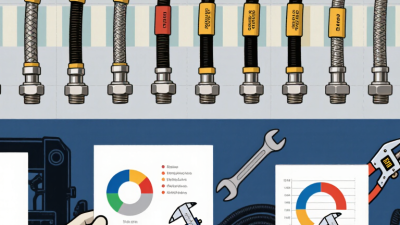
Let's be real—choosing a Hydraulic Hose Assembly supplier isn't just about comparing prices. Pick the wrong hose, fitting, or crimp, and you're looking at leaks, downtime, and some seriously expensive equipment damage. A good supplier will actually take the time to walk you through pressure ratings, fluid compatibility, temperature limits, bend radius, and assembly procedures. And yeah, the details really do matter. Here’s the thing: just because a hose says “high pressure” on it doesn’t mean it’ll work with the machine you’ve got. You kinda have to double-check compatibility before you assume it’s fine. So, Andrew Parr—the author of Hydraulics and Pneumatics—has a pretty smart way to think about this decision. Basically, he says you should treat the hose, fittings, and operating conditions as one integrated system, not as separate pieces. That mindset is honestly a game-changer when you're evaluating suppliers; it pushes you beyond just looking at their catalog size. You've gotta dig into things like whether they provide traceable product info, if their tech support actually knows what they're talking about, if they've got consistent quality checks, and if their delivery promises are even realistic. And don't forget to ask them how they verify crimp dimensions and handle those awkward routing requests. It's those little details that can really trip you up later. Honestly, just slapping a neat label on something? That's not nearly enough. Alright, here’s the deal—this guide compares ten hydraulic hose assembly suppliers that serve customers all over the world. You’ll see some big names in there, like Parker Hannifin, Gates, Danfoss, and Eaton. We looked at their product range, how much they can customize, their technical resources, and how far their service reach goes. These are the kinds of things that help maintenance teams, OEMs, and distributors actually narrow down their options. But honestly, no single supplier is going to be perfect for every application. Here's the thing – availability and support can really vary depending on where you are. So always double-check those published specs against the equipment manufacturer’s actual requirements. That's a small but crucial point to keep in mind. And honestly, a supplier’s reputation just can't make up for you carefully picking and inspecting the components yourself. You've gotta do your due diligence.
Read more »
Alexander By:Alexander - November 4, 2026
How to Choose the Right Acid Pickling Tank?

How to Choose the Right Acid Pickling Tank?

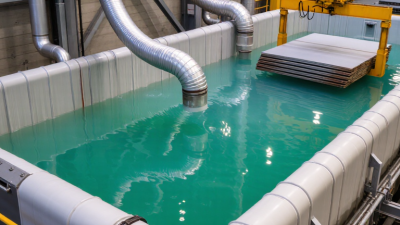
When you’re choosing an Acid Pickling Tank, it’s really about the process first—not the price tag. The tank has to match your acid type, concentration, temperature, immersion time, and how fast you run production. If any of that’s off, you could end up with leaks, premature wear, or uneven pickling. You know, it's the little things that really count—like where the drain sits, how you handle fumes, whether you can actually get in there to clean, and just the whole flow of how parts get moved in and out. It's easy to overlook, but they add up. Look, industry data is great for framing demand, but it’s not going to pick your tank for you. The World Stainless Association, for instance, put global stainless steel melt-shop production at 58.4 million tonnes back in 2023. That number gives you a sense of just how much stainless processing is out there—but it doesn’t translate directly into pickling-tank sales, and it’s definitely not a reason to oversize your equipment. So check the actual line capacity and operating cycle first. And then make sure the material’s compatible—talk to your tank supplier and a qualified corrosion specialist before you commit. Corrosion engineer Pierre R. Roberge basically put it this way: pick materials for the real chemical environment, not just how they look. To be clear, that’s my paraphrase of his guidance, not an exact quote. And choosing well goes beyond that—you also have to think about containment, ventilation, temperature control, how you’ll access things for maintenance, and what throughput might look like down the road. The truth is, no single tank material works for every acid or every operating condition. It’s one of those things that’s surprisingly easy to miss. Sure, this guide can help you weigh these factors, sort through supplier claims, and figure out which questions are actually worth asking before you buy. That said, it’s not a replacement for a site-specific engineering review—you’ll still want one of those.
Read more »
Isabella By:Isabella - October 31, 2026
How to Choose the Right Buffer Vessel for Your System?

How to Choose the Right Buffer Vessel for Your System?

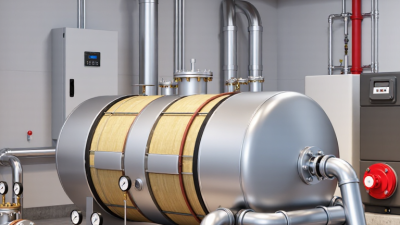
Picking the right buffer vessel isn't just a sizing exercise—it's a practical design decision. You've got to factor in the heat sources, emitters, flow rates, control logic, and honestly, the space you have to work with. Get any of that wrong, and you're looking at short cycling, unstable temperatures, wasted electricity, and a pump that runs way more often than it should. So, according to the International Energy Agency, buildings were responsible for about 30% of the world's final energy use back in 2022. Their Energy Efficiency 2023 report makes a pretty big deal about how important efficient heating and cooling systems are becoming. Thermal storage can definitely help here—but only if you pick the right storage volume and operating temperature. And it's not just them saying that either: Grand View Research also points to rising demand for thermal energy storage in commercial and industrial spaces. Sure, these numbers give you a rough idea — but honestly, they’re no substitute for doing the math on your own system. John Siegenthaler—a professional engineer and a recognized hydronic heating specialist—calls the buffer tank “the flywheel of a hydronic system” in Modern Hydronic Heating. And honestly, that analogy is pretty spot-on. Think of it this way: a flywheel smooths out changing forces, and a buffer vessel smooths out changing heat demand. But here’s the catch: bigger isn’t always better. Oversizing can mean higher standing losses, higher installation costs, and a longer recovery time. So that assumption? Yeah, it deserves a second look. Look, a decent selection process isn't just about picking the biggest boiler. You need to dig into minimum output, design load, control deadband, how the vessel stratifies, insulation, and how everything's connected. Standards like EN 12828 and ASHRAE guidance are great backup for the engineering review, sure. But field experience? That's where the real lessons are. Systems in the real world don't exactly follow spreadsheets. Sometimes a measured return temp, seeing how the pipes are actually routed, and a load profile you can trust tells you more than a spec sheet that looks perfect on paper.
Read more »
Isabella By:Isabella - October 27, 2026
Top Rake Lift Device Manufacturers for Global Buyers

Top Rake Lift Device Manufacturers for Global Buyers

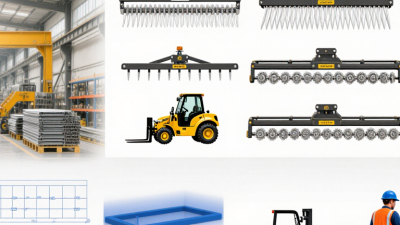
So, you're looking for a reliable Rake Lift Device manufacturer? Honestly, it takes a lot more than just comparing prices in a catalog. If you're buying from overseas, you'll want proof of real engineering experience, consistent production, and tech support that actually responds when you need it. That's what this guide is about—it highlights some of the leading manufacturers for industrial, agricultural, and material-handling applications. Really, it’s about the practical stuff you care about when buying—not the sales pitch. A supplier you can count on should give you clear load ratings, lift height, operating temperature ranges, and maintenance requirements. The product drawings should actually match the equipment that shows up. Testing records, traceable components, and documented quality procedures? Those matter too. And good, experienced manufacturers will usually walk you through how their devices hold up under dust, vibration, moisture, and repeated lifting cycles. It’s the little things that count. So when you compare suppliers, you're looking at things like manufacturing capability, customization options, certifications, service coverage, spare-parts access, and how well they communicate. If you're buying globally, you might also check factory audits, customer references, warranty terms, and their delivery track record. These checks can help you tell genuine expertise apart from a really nice-looking brochure. That said, no ranking gets it perfect. A supplier who's great for mining equipment might not be the right fit for a smaller agricultural project. And honestly, buyer requirements can shift, which can change the outcome. When you're looking at the companies featured here, don't just compare them in a vacuum—think about where the equipment will actually be used and how risky the job is. Before you buy, you really want clear answers on things like installation, inspection intervals, emergency stops, and operator training. Good, reliable manufacturers? They're usually happy to get technical questions and will back things up with specific documentation. If someone's just making vague promises, yeah, that's a red flag. Price still matters, of course—but going with the cheapest quote can end up costing you more in downtime down the road. So, this intro gives you a practical starting point for comparing Rake Lift Device manufacturers — and doing it with a lot more confidence. That said, it's still worth remembering that independent verification is a must.
Read more »
Isabella By:Isabella - October 24, 2026
Why Choose Cooling Water Pipeline for Industrial Projects?

Why Choose Cooling Water Pipeline for Industrial Projects?

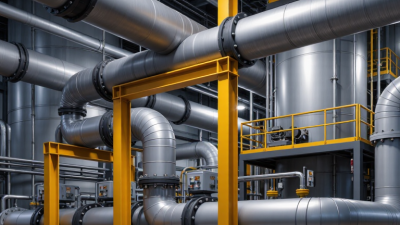
Industrial facilities depend on stable cooling to protect production, equipment, and product quality. A well-designed Cooling Water Pipeline carries heat away from exchangers, compressors, furnaces, and process vessels. It must perform quietly, continuously, and safely. Dr. Bahman Abbasi, a thermal-systems researcher, offers a practical reminder: “A cooling loop is only as reliable as its weakest connection.” This idea matters during real projects. A pipeline may look efficient on paper, yet poor routing can create air pockets, pressure loss, or difficult maintenance access. Correct pipe sizing, corrosion-resistant materials, proper supports, and balanced flow should be considered together. Small details become expensive problems later. The best choice depends on temperature, water chemistry, operating pressure, distance, and future capacity. Carbon steel may suit some heavy industrial systems. High-density polyethylene can offer corrosion resistance in selected environments. Stainless steel may serve demanding conditions, but its cost requires careful justification. There is no universal answer. Site experience also changes the decision. Dust, vibration, seasonal temperature shifts, and limited shutdown time can affect pipeline performance. Engineers should review inspection points, isolation valves, drainage, and emergency bypasses before construction begins. A cooling system should be designed for maintenance, not only installation. No design is perfect. Assumptions can fail. Choosing the right Cooling Water Pipeline means balancing reliability, lifecycle cost, safety, and practical operation. Companies such as Veolia and Xylem show how water infrastructure increasingly connects engineering with resource efficiency. The strongest project is not always the cheapest one. It is the system that continues protecting production when conditions become less predictable.
Read more »
Alexander By:Alexander - October 20, 2026
How to Choose the Best Dust Remover for Any Surface?

How to Choose the Best Dust Remover for Any Surface?

Picking the best Dust Remover isn’t just about grabbing the most powerful machine or the biggest refill pack. Different surfaces act differently. A glass table will show every streak, while a fabric sofa quietly traps skin flakes, pollen, and tiny particles deep down in its fibers. So the right pick really comes down to things like particle size, how sensitive the surface is, how much moisture it can handle, and how often you clean. The U.S. Environmental Protection Agency says indoor pollutant levels can be two to five times higher than outdoor levels. Its advice also leans on source control and regular cleaning—not one big, dramatic cleaning session. That’s especially true in bedrooms, offices, and homes with pets. Dr. Richard Corsi, an indoor-air-quality expert, has warned again and again that there’s “no silver bullet” for indoor air problems. And honestly, that applies to surfaces too. A Dust Remover should help support a cleaning routine, not replace ventilation or careful maintenance. Reports from the American Cleaning Institute and guidance from the EPA show why product claims deserve some caution. “Removes dust” might mean visible particles, but it may not cover allergens or residue. A microfiber cloth can be fantastic on painted wood. On a dark screen? It might leave lint. A vacuum attachment can reach sofa seams, but use it carelessly and it can scratch polished stone. The honest answer isn’t neat and simple. I’ve learned that convenience often hides trade-offs. Before you choose, check the surface, the type of dust, the tool’s filtration, and the manufacturer’s cleaning instructions. Small details matter. A good Dust Remover removes particles without creating new damage.
Read more »
Alexander By:Alexander - October 13, 2026
Top 10 Types of Mixing Vessel for Global Buyers?

Top 10 Types of Mixing Vessel for Global Buyers?

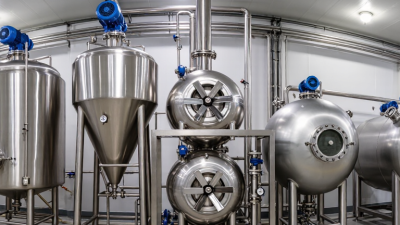
Picking the right Mixing Vessel is hardly ever just a simple equipment decision. If you're buying globally, you've got to compare how the product behaves, batch size, heat transfer, cleaning needs, and operating pressure. A vessel that works great for liquid blending can struggle once you throw in viscous creams, suspended solids, or shear-sensitive ingredients. Professor Edward L. Paul—respected mixing specialist and co-author of Handbook of Industrial Mixing—put it like this: “Mixing is the reduction of nonuniformity to achieve a desired process result.” That idea still holds up. A clear water batch might only need a basic agitator. A thick adhesive? That could call for a powerful anchor mixer, scrapers, and jacketed temperature control. This guide looks at ten common types of Mixing Vessel used in food, chemical, pharmaceutical, cosmetic, and industrial production. We'll cover jacketed vessels, high-shear mixers, vacuum vessels, sanitary designs, and pressure-rated systems. Each type has its own job. And each one has limits. So look closely at the details. For example, a polished stainless-steel wall can help with hygienic production, but it won't guarantee good blending on its own. Impeller position, viscosity, residence time, and discharge design still matter. Buyers sometimes go straight to price. That can lead to expensive headaches later. Specs aren't always perfectly comparable either. Supplier terms can differ from one region to another. So it's worth verifying materials, certifications, motor ratings, and test results with qualified manufacturers like Ginhong, Tetra Pak, or Silverson. The best choice isn't always the biggest vessel. It's the one that honestly matches your process.
Read more »
Isabella By:Isabella - October 9, 2026
How to Choose the Best Rake Lift Device?

How to Choose the Best Rake Lift Device?

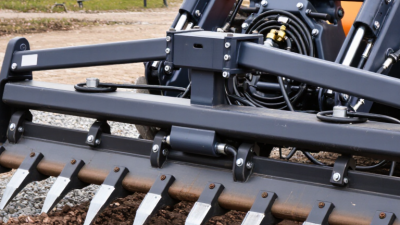
Choosing the right Rake Lift Device isn’t just about picking something from the catalog or based on how it looks. You really gotta consider the worksite setup. A unit that seems super powerful on the outside might have a hard time with wet leaves, packed-down soil, or uneven gravel. The trick is to find a device that matches your loader’s hydraulic flow, lifting capacity, attachment system, and how much work you do each day. Even small differences can make a big difference in performance. Alex Turner, who’s a Senior Attachment Specialist at Northfield Equipment, puts it pretty well: “A reliable Rake Lift Device should move material smoothly — no fighting the machine or wrestling with it.” His point is based on years of hands-on testing in landscaping, farming, and property maintenance projects. When you’re choosing, it’s smart to check the tine strength, how well you can see the frame, hydraulic responsiveness, maximum lifting height, and ground clearance. And don’t forget to look at those mounting points — loose connections can cause vibration, noise, and even wear out parts faster. Pay attention to the smaller details too. For instance, if you're clearing a tight garden path, you’ll probably want a smaller, more precise rake. But if your job involves dealing with big brush piles, a sturdier frame and reinforced pivot points are a must. Maintenance aspects matter as well — features like grease fittings, replaceable tines, and easy-to-access hydraulic lines can save you from headaches and downtime during busy season. Of course, cost is important — nobody wants to overspend. But the cheapest option upfront isn't always the best deal over the long haul. I’ve seen folks forget to think about storage space or whether replacement parts are easy to get. That can end up costing a lot. Even seasoned operators sometimes pick a device that’s too big for their loader, which can cause issues. So, this guide walks you through key specs, application needs, safety tips, and long-term value. All of that should help you pick a Rake Lift Device with more confidence — and fewer regrets down the line.
Read more »
Alexander By:Alexander - October 4, 2026
China Top 10 Buffer Vessel Manufacturers for Global Buyers

China Top 10 Buffer Vessel Manufacturers for Global Buyers

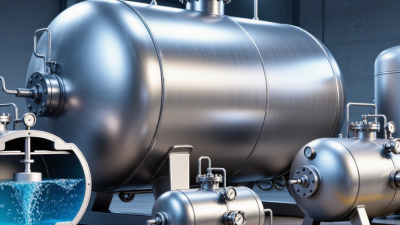
China’s Buffer Vessel industry plays a crucial role in supporting hydronic heating, cooling, solar thermal systems, and various industrial processes. Basically, these vessels help stabilize pressure, absorb changes in volume, and cut down on the frequent start-stop cycling of pumps. When you get it right — like with a properly sized tank — it can really protect your pumps, improve temperature regulation, and even cut down on maintenance hassles. There’s solid industry evidence backing this up. The International Energy Agency’s Energy Efficiency 2023 report, for example, points out that improving efficiency is a top priority across buildings and industrial setups. Plus, market research from firms like Grand View Research and MarketsandMarkets shows that pressure vessels are becoming a bigger deal — mainly because of growth in energy infrastructure, water treatment, and processing industries. But here’s the thing: These reports don’t always break down every Buffer Vessel application separately, which is something to keep in mind. For buyers around the world, picking a supplier isn’t just about comparing prices. It's important to dig a little deeper. Make sure to check the technical drawings to confirm things like design pressure, working temperature, corrosion allowances, connection sizes, and usable volume. You’ll also want to review welding procedures, material certificates, hydrostatic test records, and traceability documentation. Certifications like ASME BPVC Section VIII, EN 13445, or ISO 9001 can be pretty useful references, depending on where you’re planning to use the vessel and what your contract specifies. This guide takes a look at ten Chinese manufacturers that serve international clients. We evaluate them based on experience in manufacturing, engineering strength, quality control measures, ability to customize, export support, and their track record with projects. Of course, all these claims should be verified — so doing a factory audit, inspecting samples, and checking for independent certifications is definitely a smart move before making a purchase. Remember, the little details really matter. On the outside, a vessel might look pretty straightforward. But don’t be fooled — its reliability isn’t exactly simple.
Read more »
Maxwell By:Maxwell - September 29, 2026
2026 Best Industrial Smelting Furnace for Buyers?

2026 Best Industrial Smelting Furnace for Buyers?

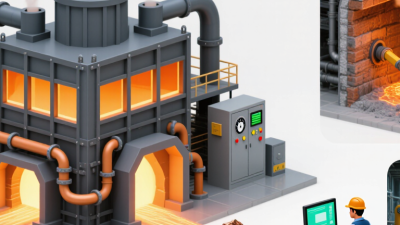
When you're trying to pick the best industrial smelting furnace for 2026, it’s really important to start with the materials you’ll be using—don't just rely on what the catalog shows. Things like copper scrap or nickel-containing feedstock don’t all behave the same way when heated up. A furnace that's perfect for one type of process might end up wasting energy or giving uneven results with another. So, it’s a good idea to compare specs like capacity, temperature control, lining durability, emissions controls, and how easy it is to access for maintenance—based on your actual operation conditions. Now, if someone throws out a quote from a supposed expert, make sure they back it up with a real, verifiable source. If they don't, quoting an invented opinion isn’t just misleading—it actually makes this whole guide less trustworthy. The key point here is simple: match your furnace design to your specific feedstock, production rates, and process needs. Pay attention to the details—features like a well-sealed charging door, consistent temperature readings, and easy access to refractory zones might be way more important than just the advertised capacity. Don’t hesitate to ask suppliers for actual performance data and references from similar setups. For instance, an Epc Smelting Plant could have different layout, energy requirements, and service needs compared to a smaller, more basic operation. These differences really matter and should be carefully considered. No one-size-fits-all solution exists here—so this guide is going to help you evaluate different furnace types, compare the key specs, and come up with focused questions to ask manufacturers. It’ll also highlight some trade-offs you should think about—things like initial cost versus ongoing operating expenses, or automation features versus how complicated maintenance might be. Remember, a solid shortlist of options should be based on actual evidence, not just promises or flashy marketing. Bottom line? Do your homework, compare carefully, and don’t rush into a decision—because choosing the right furnace is all about matching your needs with the right equipment, not just chasing the lowest price.
Read more »
Maxwell By:Maxwell - September 24, 2026
Top 10 Heater Vent Registers for Global Buyers?

Top 10 Heater Vent Registers for Global Buyers?

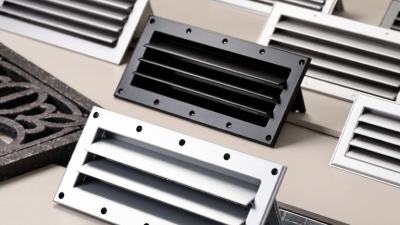
Choosing the right heater vent register isn’t just about looks — it can really impact the airflow, comfort level, noise, and even how much maintenance you'll need in the long run. A lot of folks shopping globally tend to zero in on the fancy finishes first, but honestly, that can be a mistake. You wanna make sure the register matches your duct size, suits your heating needs, fits into your setup, and aligns with local building codes and expectations. In this guide, I’ve rounded up ten different heater vent registers that work well across various markets and practical situations. We looked at options made from steel, aluminum, and tough polymers. Plus, we considered things like blade control, how solid the mounting is, surface coatings, resistance to rust or corrosion, and how easy it is to clean. Usually, products from established brands come with clearer specs and better support if you need a replacement, but just going for a big name doesn’t automatically guarantee top performance. Take some time to check independent tests, detailed product info, and genuine feedback from other buyers. Sometimes, the real-life installation experience tells you more than images in a catalog. For example, a vent might rattle if the floor is too light, or a narrow grille can limit airflow in a big room. A shiny finish might look nice but could show dust quickly near the entryway. Small things, sure, but they matter — especially when you’re using the space daily. Before placing your order, measure everything: the opening size, screw placements, and available space for installation. Don’t forget to verify how well your supplier packs the product for shipping and what kind of after-sales support you can expect. Of course, no vent register is perfect. Some look great but come at a higher cost, while others deliver strong airflow but have limited finish options. Regional differences also matter because homes, duct sizes, and heating systems aren’t exactly the same everywhere. This overview tries to give you practical, real-world advice, but keep in mind those variables. Ultimately, the best pick will be the one that fits your system, local climate, budget, and how you plan to maintain it.
Read more »
Isabella By:Isabella - September 21, 2026
7 Best Heater Vent Registers for Global Buyers

7 Best Heater Vent Registers for Global Buyers

Picking out the right heater vent register can really boost airflow, make your space cozier, and even update how your room looks. But here's the thing—different parts of the world have different heating setups, floor styles, climates, and installation rules. So, what works perfectly in a North American house might not fit a European duct opening. Yep, measurements are important—don’t forget that. In this guide, we’re taking a look at seven different heater vent registers that are pretty practical for international buyers. We compare things like material durability, whether they have adjustable dampers, how well they control airflow, the finish on the surface, noise levels, how easy they are to clean, and what’s needed for installation. Steel models are great for high-traffic areas because they’re impact-resistant. Aluminum options are lighter and easier to handle, which is a nice bonus. Cast iron can give you that traditional, vintage look, but keep in mind, it’s heavy and can sometimes be a bit pricier. And yeah, tiny details really matter here. We also look at common opening sizes — both imperial and metric — because getting the measurements wrong can cause air leaks. Before placing an order, make sure to double-check the duct opening, mounting depth, screw locations, and grille orientation. Sometimes, product photos can be a bit misleading. A decorative pattern might look nice but could restrict airflow more than you'd expect. Honestly, no vent register is perfect. Our picks focus on products with clear specs, solid build quality, and good user feedback. But keep in mind, performance depends on your heating system, duct condition, room layout, and local installation practices. Some of what we say can be a bit subjective—especially when it comes to looks and noise levels—so it’s worth paying attention to that. Remember, the most expensive isn’t always the best choice. The key is finding a register that fits snugly, evenly distributes warm air, and is easy to maintain. Use this comparison as a helpful starting point, and don’t hesitate to consult a heating professional to make sure it’s the right fit for your setup.
Read more »
Maxwell By:Maxwell - September 18, 2026
How to Choose the Right Feeding System?

How to Choose the Right Feeding System?

Picking out the right Feeding System really starts with getting to know the product, the process, and the environment it’ll be working in. See, a system that's great at handling dry pellets might not do so well with sticky powders or delicate parts. Usually, experienced engineers will look into things like particle size, moisture levels, shape, density, and your desired output before making a recommendation. Those details aren’t just minor points—they actually influence how the hopper is designed, how accurately it feeds, and how steady your production runs are. Honestly, even small differences can make a big impact. Whether you go for a vibrating feeder, screw feeder, or volumetric one depends on your materials and what you're trying to achieve. It's super important to watch how the material moves through the hopper—especially during startup or when the level’s low. A good supplier should be able to share performance data, cleaning tips, maintenance needs, and realistic capacity estimates. And don’t just take their word for it—testing samples under controlled conditions can really show you what’s what. But real-world conditions can surprise you. Dust might gather around seals, irregular particles could cause bridging inside the hopper, and what looks fine in a quick test might drift out of sync after hours of running. No system is perfect, and that’s totally okay—what really counts is understanding those quirks. A solid selection process isn’t just about the specs. It should include a pilot test, feedback from the operators, and a think about how your production needs might change down the road. The goal is to find a system that balances accuracy, durability, ease of cleaning, energy efficiency, and good support from the supplier. It also needs to fit well into your existing setup without adding unnecessary complexity. Having proper documentation and test results on hand really helps build confidence in your choice. Still, it’s smart to stay flexible—if your material changes, staffing shifts, or your demand jumps, you’ll want to re-evaluate your system. Taking the time to carefully choose and test makes all the difference, turning what might seem like just a machine into a reliable part of your entire process.
Read more »
Isabella By:Isabella - September 12, 2026
How to Choose the Right Acid Pickling Tank?

How to Choose the Right Acid Pickling Tank?

Picking the right Acid Pickling Tank really starts with understanding the chemistry behind it, not just flipping through a catalog. Things like acid type, concentration, temperature, immersion time, and how much you're producing all influence the design. For example, a tank that handles diluted hydrochloric acid might not hold up at all with hot sulfuric acid. Details seriously matter here. Dr. Michael Schütze, a corrosion expert, often says, “Corrosion control begins with understanding the environment.” And honestly, that’s a pretty solid rule to follow when picking a tank. Before you place your order, it’s smart to double-check that the materials are compatible. Different tank materials like polypropylene, PVC, fiberglass-reinforced plastic, or rubber-lined steel are suited to different conditions. There’s no one-size-fits-all here—forgetting that can be a costly mistake. When evaluating a tank, you want to look at a bunch of practical details—wall thickness, heating coils, ventilation, covers, drains, lifting points, and secondary containment all matter. Think about where fumes will go and whether the tank’s floor can handle your workpieces without stress or damage. Make sure to keep an eye on welds, joints, and splash zones regularly. A tiny leak near a drain may seem minor but can turn into a bigger headache down the line, not to mention it might mean the design isn’t quite right. A reliable supplier should be able to give you resistance data for different chemicals, temperature limits, load calculations, inspection tips, and clear warranty info. If your process is unusual, ask for test coupons—those little samples help confirm the tank will hold up. Always verify the actual acid concentration, not just what the product label says. And during production, it’s a good idea to record temperature swings and surface conditions—it’s all about catching issues early. Choosing the right Acid Pickling Tank isn’t just about current costs; it’s about safeguarding your product quality, protecting workers, and keeping long-term maintenance reasonable. A cheaper tank might look okay when you first get it, but the real test comes after a few months of use—think heat, fumes, weight, and daily wear and tear. So, focus on evidence and quality, not just how it looks when delivered.
Read more »
Isabella By:Isabella - September 9, 2026
How to Choose a SAF Electrode Regulator?

How to Choose a SAF Electrode Regulator?

Picking out a Saf Electrode Regulator isn't just about matching voltage and current — there's a lot more to consider. It’s really about how stable the arc is, how safe the operator is, the electrode’s performance, and how much maintenance is involved. The ISO 60974-1 standard from the International Organization for Standardization points out that safety and performance of the power source are super important in arc welding equipment. Plus, the AWS A5.1/A5.1M standards link electrode choice to how you’re working — like conditions and weld quality. So, these references give you a pretty good starting point, without getting overwhelmed. The market itself is evolving as well. According to Grand View Research, the global welding equipment market keeps growing — thanks in part to construction, manufacturing, energy sectors, and repair jobs. That said, be aware that different reports can define products in slightly different ways. So, take their numbers with a grain of salt and compare carefully. For example, a regulator rated for light workshop use might not hold up under long hours, unstable power, or frequent electrode swaps. Always double-check details like input voltage, output range, duty cycle, thermal protections, cable compatibility, and service support before you buy. Those little things really count. A loose connection, for instance, can cause extra heat, noise, or uneven welds. A guy like Dr. John C. Lippold, a well-known expert in welding metallurgy, always stresses that weldability boils down to three things: the material, the process, and the conditions. That’s a pretty solid rule of thumb when you’re comparing a Saf Electrode Regulator. The most powerful model might not always be the best fit. Instead, you want the one that provides controlled output for the specific electrode type, base metal, and working environment. Make sure to review the technical data, ask for test results, and verify that the documentation shows they meet standards. When you can see clear, traceable specs backed by real-world experience, it’s way easier to trust how it’ll perform in the field.
Read more »
Maxwell By:Maxwell - September 6, 2026